
Insulation, tile, ceilings and siding
Asbestos Removal in Garden City Done to a Clearance Standard
Every material on the scope comes out wet, inside a sealed negative-air zone, and the space reopens only after an outside air sample passes.
Where Is a Removal Won or Lost?
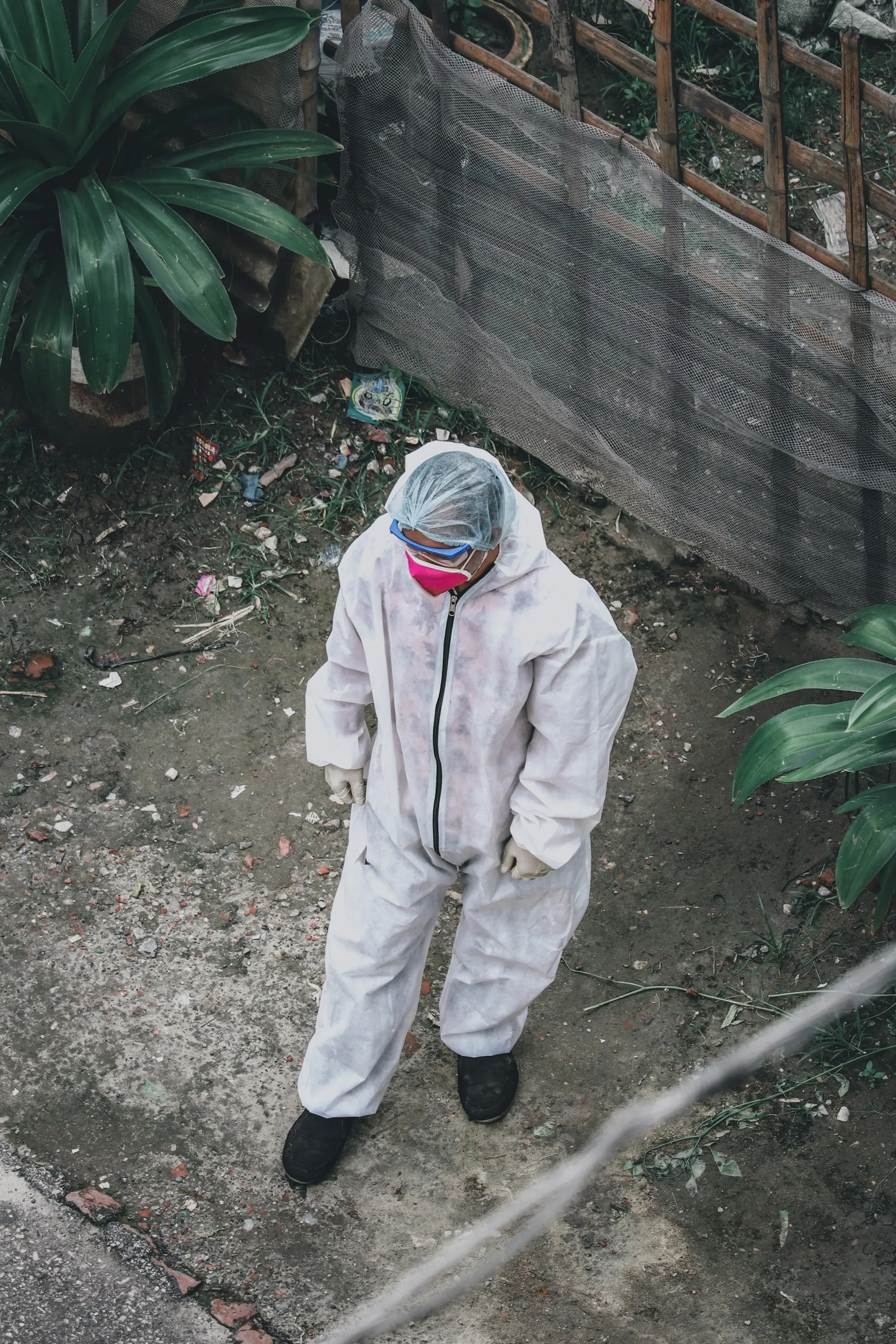
Why do some asbestos jobs end with a clean air test and others end with a second round of cleaning? Almost always, the difference is decided long before the last bag is sealed. Asbestos Removal Garden City approaches each removal as a sequence that has to be completed in order. First, the material is confirmed by lab results, so the scope covers what actually contains asbestos and nothing else. Next, the work area is isolated: plastic sheeting on floors and walls, doorways and vents sealed, and HEPA-filtered machines drawing air inward so fibers cannot drift. Then licensed handlers wet the material and take it out, whole where possible, and pack it in sealed, labeled bags or poly wrap. After that comes a HEPA pass and damp wipe of everything within the plastic. Only then does an independent technician sample the air. The materials vary from house to house. In older Garden City homes the usual suspects are boiler and pipe insulation in the basement, nine-inch tile with black mastic under a kitchen floor, textured ceilings and the joint compound on original walls. Outside, cement siding and roofing shingles can need the same care. Whether the reason is a renovation, a heating system replacement, a pending sale or a planned demolition, the sequence does not change, and neither does the finish line: a space that passes clearance.
What Is Included in a Removal Job?
Each item below is listed on the written scope so you can check it off as the job moves.
Lab-confirmed scope
Only materials that tested positive, or that you choose to treat as positive, go on the removal list.
Area isolation
Poly sheeting on floors and walls, sealed doorways and covered HVAC openings around the work zone.
HEPA negative air
Filtered machines run continuously so air moves into the zone, never out of it.
Wet removal methods
Material is misted and kept damp from the first cut to the final bag to hold fibers down.
Sealed, labeled packaging
Waste is double-bagged or wrapped in heavy poly and marked before it leaves the zone.
Permitted disposal
Bagged material is hauled to a facility licensed to take it, with records retained.
Fine cleaning
Each surface within the plastic gets vacuumed with HEPA filtration and wiped damp ahead of sampling.
Independent air clearance
A third-party technician samples the air, and the zone stays sealed until the result passes.
Which Step Comes When?
Paper first
Samples are analyzed by an accredited lab. The written scope lists each positive material, its location, the containment plan and the disposal route, and any required state notice is filed before work begins.
Seal the zone and remove
The crew builds containment, starts negative air and checks the seals. Handlers wet the material, take it out carefully and pack it for disposal without carrying anything through the rest of the building.
Clean, test and reopen
The crew details every surface with HEPA vacuums and damp cloths. An independent technician runs the air clearance test, and the containment is taken down only after a passing result.
Why Owners and Contractors Use Us for Removal
Nothing removed on a guess
Lab results decide the scope, so you are not paying to tear out material that never contained asbestos.
Containment checked, not assumed
Seals and air flow are verified before the first piece of material is touched.
A clear finish line
The job ends when the independent air test passes, and you receive the result.
- Lab-backed scope
- Negative-pressure zone
- Tracked waste
- Third-party clearance
Planning a Renovation Over Old Materials?
Tell us what you are opening up and what you think is in the way. We will sort out what needs testing, what needs removal and the order that keeps your project on track.